Dreaming of a place where you can stroll to the beach in the morning, tee off in the afternoon, and watch the sunset from your porch? If Palmetto Dunes on Hilton Head Island is on your radar, you are not alone. Many buyers consider a villa here for low‑maintenance living, rental potential, or both. In this guide, you will learn the true costs, rental rules, floorplan options, and a clear step‑by‑step path to buying with confidence. Let’s dive in.
Why Palmetto Dunes stands out
Palmetto Dunes is a large, ocean‑oriented resort and residential community on Hilton Head Island in Beaufort County. It offers roughly 3 miles of Atlantic beachfront, an 11‑mile lagoon system for kayaking and paddling, three championship golf courses, and active tennis and pickleball centers. You also have easy access to Shelter Cove Marina and a range of dining and resort services, including on‑site property management and marketing.
If you want a lock‑and‑leave place that still feels like a resort, Palmetto Dunes checks the boxes. Seasonal tourism on Hilton Head is strong, which helps support demand for villas during peak months. That backdrop is part of why many second‑home buyers evaluate villas here for both lifestyle and potential rental income.
Villa types and layouts
In Palmetto Dunes, “villa” usually refers to multi‑family condominiums or townhouse‑style homes grouped into named regimes. Examples include Beach Villas, Turnberry Village, Queens Grant, Captain’s Walk, Hampton Place, Wendover Dunes, and more. Each regime sets its own rules, amenities, and monthly fees.
Oceanfront vs inland
- Oceanfront and first‑row villas offer the strongest lifestyle appeal and top‑line rental rates. You should expect higher purchase prices and, in many cases, higher regime fees and insurance exposure.
- Second and third‑row, lagoon, or golf course villas often come at a lower price point with easier parking and a quieter feel. These locations still rent well for guests who value quick beach access and resort amenities.
Townhouse vs condo buildings
- Townhouse‑style villas often have private entries and a more residential feel. You may find small yard space or storage perks.
- Stacked condo buildings can offer elevators and ocean views. Tradeoffs may include elevator maintenance and different parking setups. Always confirm what the regime fee covers for each building type.
Typical sizes and features
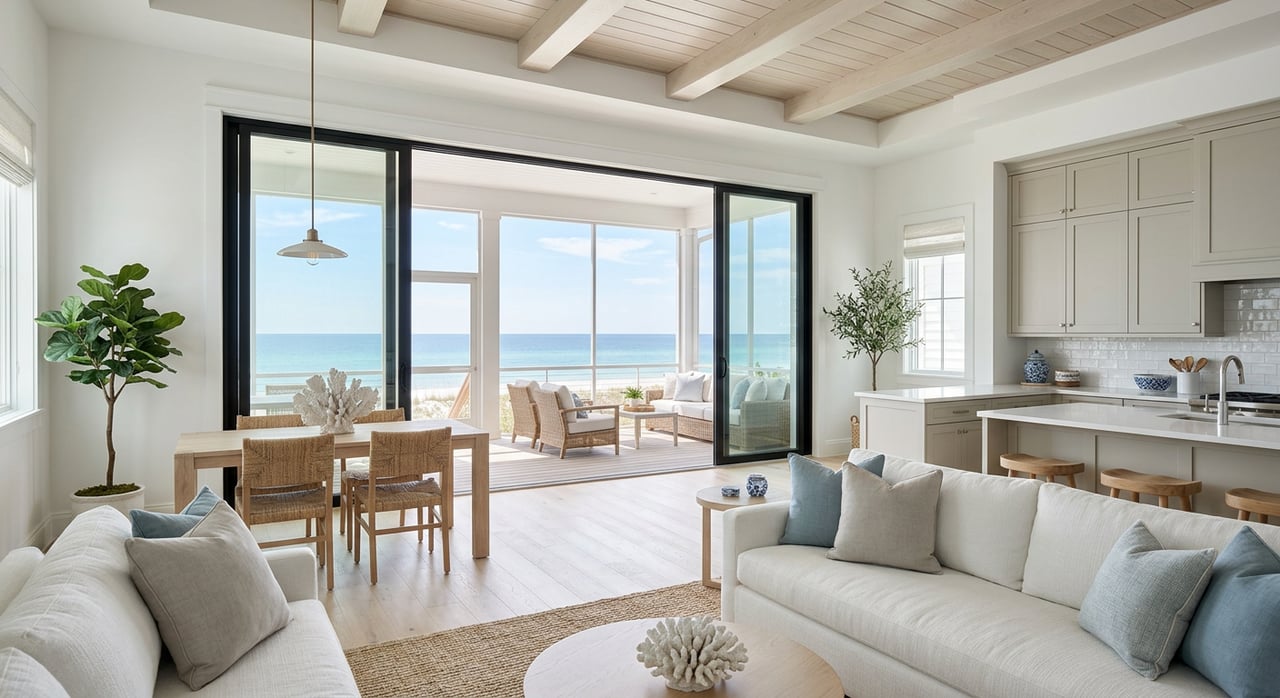
Most Palmetto Dunes villas are 1 to 3 bedrooms, with many popular 2 and 3 bedroom plans for vacation use. Two‑bedroom, two‑bath villas commonly run from about 900 to over 1,900 square feet depending on layout, lofts, and whether the unit is a penthouse or townhouse. Common features include private baths, screened porches, and layouts that work well for two couples or a family.
What it really costs to own
Buying a villa in Palmetto Dunes means budgeting for several layers of fees and ongoing costs. The key is to separate one‑time closing fees from recurring ownership expenses and to confirm the exact figures for your target property.
One‑time fees at closing
- PDPOA Community Enhancement Fee: 0.5% of the purchase price. This is typically paid by the buyer at closing. The PDPOA also lists an administrative processing fee at transfer.
- Town of Hilton Head Island Real Estate Transfer Fee: 0.25% of the sale price, collected at closing.
- Routine closing costs: Title, lender charges, and any regime document or transfer fees that apply.
Recurring ownership costs
- PDPOA annual assessment: Published figures show 1,900 dollars for 2025 and 2,000 dollars for 2026. Confirm the current year before you buy.
- Regime (HOA) monthly fee: Varies by complex and amenities. Many Palmetto Dunes regimes fall in the mid‑hundreds per month. Some recent listings show examples around 589 dollars per month. Always verify the current amount and what it covers.
- Insurance: Most regimes carry a master policy for the building shell and common areas. Owners typically carry an HO‑6 policy for interior and contents. If the property is in a FEMA Special Flood Hazard Area, lenders usually require flood insurance.
- Property taxes and utilities: Beaufort County property tax, plus any utilities not covered in your regime dues.
A quick cost example
Here is a simple illustration for a hypothetical 800,000 dollar purchase. Your numbers will vary by unit and regime.
- PDPOA Community Enhancement Fee at 0.5%: 4,000 dollars
- Town transfer fee at 0.25%: 2,000 dollars
- PDPOA annual assessment: 1,900 to 2,000 dollars per year, depending on year
- Regime fee example: about 589 dollars per month in one recent case, but your building may differ
This example does not include lender fees, title costs, insurance premiums, flood coverage, utilities, cleaning or rental operations.
Renting your villa smartly
If you plan to rent, you will navigate rules from the Town of Hilton Head Island, the Palmetto Dunes Property Owners Association, and your specific regime.
Permits and rules
- Town short‑term rental permit: Required for stays fewer than 30 days. Current information shows a 250 dollar fee per property per year, with permits running from May 1 to April 30. The Town also requires a business license and lodging‑tax registration.
- PDPOA short‑term rental policies: Govern guest passes, parking, noise, and on‑property behavior. Managers typically handle guest pass requests.
- Regime rules: Some complexes set minimum stays, occupancy limits, or parking rules. Always verify the exact rental policy for the regime you are considering.
Revenue realism and market context
On an island‑wide basis, analytics show short‑term rentals on Hilton Head operating around 59% occupancy in recent 12‑month windows, with average daily rates in the high‑hundreds for listings that can command premium rates. Actual results vary by oceanfront vs inland location, season, and the specific product type. Use data from analytics platforms and historical bookings of comparable units in the same regime to model expected performance.
Operations and management
Decide how you will manage the property before you buy.
- On‑site resort program: Palmetto Dunes offers property management and marketing services.
- Local full‑service managers: Many charge about 20% to 35% of gross rent, depending on scope.
- Self‑management: Can work if you have reliable local cleaners, vendors, and a 24/7 response plan.
Budget for cleanings, linens, supplies, minor repairs, utilities, platform fees, and credit card processing. Factor in the guest pass process and parking rules so arrivals go smoothly.
Step‑by‑step buying plan
Pre‑offer research
- Pull 3 to 5 recent closed sales in the same regime and unit type, plus current actives.
- Request the regime document packet: CC&Rs, bylaws, rules, the latest budget and financials, reserve study, master insurance declaration, last 12 months of meeting minutes, capital‑project list, delinquency rate, and any special assessment notices.
- If you intend to rent, ask for 2 to 3 years of gross rental income and occupancy, booking calendars, channel mix, and a manager’s P&L if available.
Make a strong, protected offer
Include written contingencies for:
- Satisfactory physical inspection
- Review and acceptance of regime documents and meeting minutes
- Lender condo project approval if financing
- Satisfactory flood and wind insurance quotes
- A full breakdown of transfer fees at closing, including PDPOA and Town fees
Inspections and insurance quotes
Book a standard condo inspection that covers structure, roof, HVAC, plumbing, and electrical. Add coastal checks: termite inspection, wind and hurricane‑hardening items, and if possible, a review of the building envelope. Confirm the flood zone through FEMA mapping and request an elevation certificate if available. Ask your insurance agent for HO‑6, wind, and flood quotes before you remove contingencies.
Financing checks
Ask your lender to confirm the regime is acceptable for the loan type you want. Lenders consider the regime’s owner‑occupant to investor ratio, reserve levels, insurance status, and any recent special assessments. High regime fees can affect your debt‑to‑income ratio, so get a full monthly estimate before you commit.
Closing to day one
Budget for the PDPOA Community Enhancement Fee at 0.5% and the Town transfer fee at 0.25%, plus any regime transfer or document fees. Confirm who pays any PDPOA administrative fee. If you plan to rent, apply for the Town short‑term rental permit and business license after closing and coordinate guest‑pass procedures with your manager or the PDPOA pass office.
Smart tradeoffs to consider
- Oceanfront premium: Best views and rates, with higher entry price and insurance exposure.
- Elevator buildings: Convenient, but check elevator reserves and maintenance history.
- Parking and passes: Confirm vehicle limits, guest pass rules, and peak‑season logistics.
- Storage and beach gear: Ask about owner closets and bike storage policies.
- Flood zone: Verify whether flood insurance will be required by your lender.
- Regime stability: Review budgets, reserves, and recent special assessments.
How I help you buy well
You deserve a confident, calm path to the right Palmetto Dunes villa. I help you focus fast on the best regimes and floorplans for your goals, surface the full fee picture up front, and pressure‑test rental assumptions with real data. I coordinate the document requests, connect you with trusted inspectors and insurance pros, and keep negotiations simple and clear. When you are ready to rent, I can introduce reputable management options, including the on‑site resort program and local full‑service managers, so you launch with a solid plan.
If you are considering a Palmetto Dunes villa, let’s talk through your target budget, desired location, and whether rental income is part of your plan. You will leave our call with next steps and a short list of matches that make sense.
Ready to explore Palmetto Dunes villas with a local, boutique approach? Connect with Dana Kindel Advocaat to get started.
FAQs
Are Palmetto Dunes villas allowed for short‑term rentals?
- Often yes, but you must follow the Town short‑term rental permit rules and the PDPOA and regime rental policies for the specific complex.
Who pays the PDPOA and Town transfer fees at closing?
- The PDPOA Community Enhancement Fee of 0.5% is typically paid by the buyer and the Town’s 0.25% real estate transfer fee is collected at sale; confirm current practice in your contract.
How much are monthly regime fees in Palmetto Dunes?
- They vary widely by building and amenities, with many in the mid‑hundreds per month; some recent listings show examples around 589 dollars per month, so always verify the exact amount and inclusions.
Do I need flood insurance for a villa here?
- Possibly; lenders require flood insurance if the property is in a FEMA Special Flood Hazard Area, so confirm the flood zone and get quotes before you remove contingencies.
What is the PDPOA annual assessment amount?
- Published figures show 1,900 dollars for 2025 and 2,000 dollars for 2026; check the latest PDPOA notice for the current year before closing.
What are the Town short‑term rental permit details?
- The Town requires a permit for rentals fewer than 30 days, with a 250 dollar annual fee per property and a permit year that runs from May 1 to April 30; you also need a business license and lodging‑tax registration.